THCA Isolate Explained: Composition, Purity, and Lab Testing
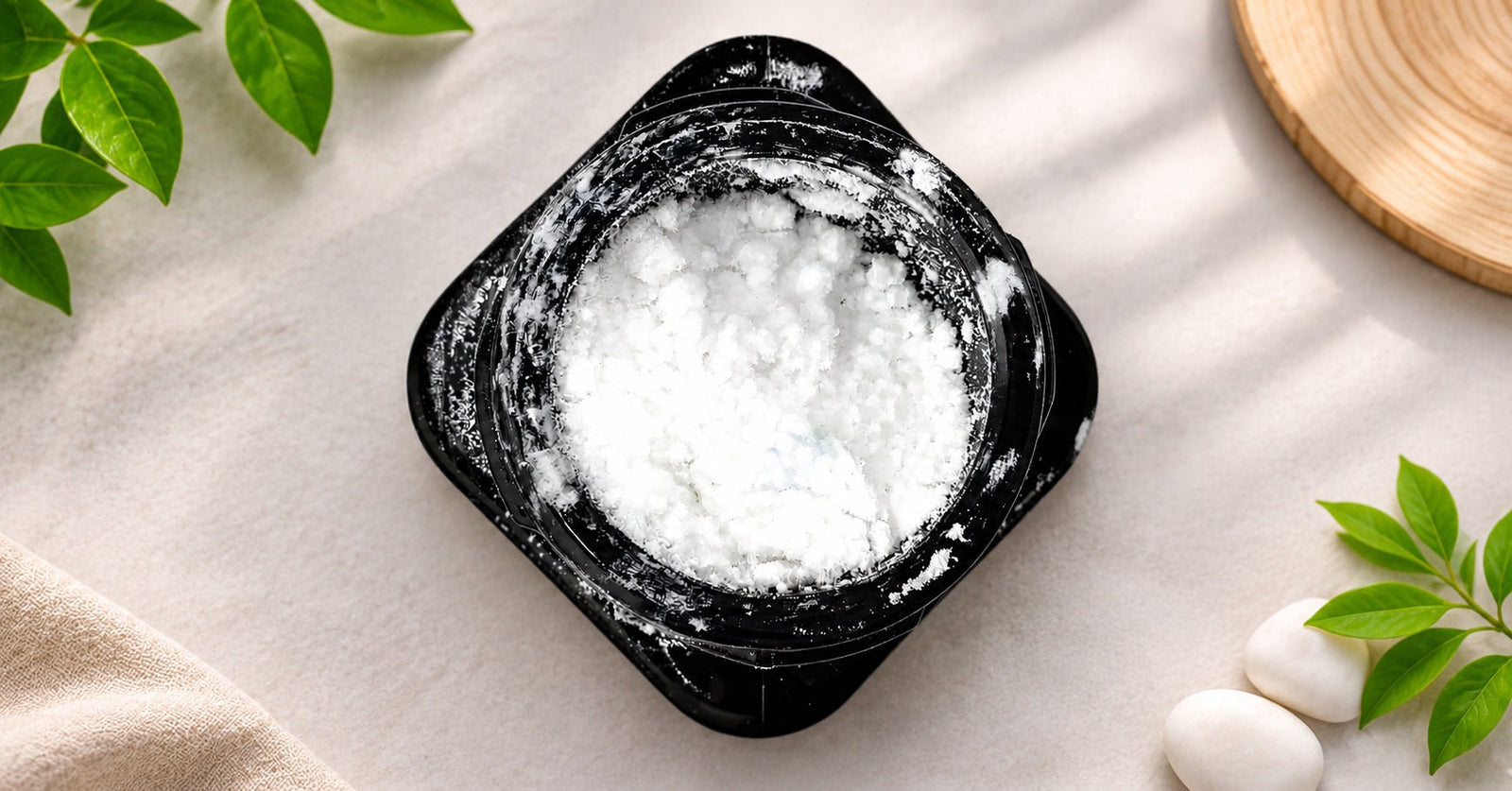
When you browse cannabis concentrates, you'll see a massive variety of textures and consistencies—from creamy badders to terpene-rich live resins and jagged crystalline structures. THCA isolate stands apart from all of them.
It is a hyper-refined concentrate made up almost entirely of pure THCA, with nearly all other plant compounds stripped away during processing. Because its minimalist, snowy-white appearance doesn't tell you much on the surface, knowing how it’s made, what "purity" actually measures, and how to read a lab report is essential before you buy.
What Is THCA Isolate?
First, let's break down the compound itself. THCA (tetrahydrocannabinolic acid) is the raw, acidic precursor to THC found naturally in fresh cannabis plants. In its unheated state, THCA is completely non-intoxicating. However, once you apply heat—whether by dabbing, vaping, or topping off a bowl—it undergoes decarboxylation, dropping a carboxyl group to convert directly into psychoactive delta-9 THC.
THCA isolate takes this specific cannabinoid and separates it from every other substance in the plant. The finished product is typically a fine, white or off-white powder, though it can also take the form of tiny, crushed crystals.
What makes it a true "isolate" comes down to its composition. While full-spectrum concentrates retain a wide array of minor cannabinoids, fats, lipids, and aromatic terpenes, a THCA isolate strips everything else away to focus on one single compound.
How Is THCA Isolate Made?
Producing high-grade THCA isolate requires a multi-stage extraction and refinement process. While exact techniques vary from lab to lab, the ultimate goal is always the same: isolating the THCA molecule from all unwanted plant matter.
-
Initial Extraction: Raw cannabis plant material goes through an extraction process to pull out the desirable cannabinoids and terpenes, creating a crude extract.
-
Winterization and Filtration: The extract is refined to remove fats, waxes, lipids, and chlorophyll.
-
Purification and Crystallization: Through specialized chromatography or solvent separation, the THCA is isolated from other cannabinoids and terpenes, allowing pure THCA crystals to form.
-
Final Processing: Once the batch hits peak refinement, those crystals are dried, purged of any remaining solvents, and often milled into a fine, versatile powder.
This intensive stripping process is exactly why THCA isolate looks and acts so differently from concentrates like badder, sugar, or live resin. Those other extracts preserve terpenes for bold flavor and aroma, whereas isolate sacrifices flavor for maximum cannabinoid concentration.
What Does "Purity" Really Mean?
When shopping for THCA isolate, you’ll often see numbers like "99% pure" thrown around. In the concentrate world, purity simply refers to the percentage of the product made up of THCA by weight compared to everything else in the jar.
For example, a THCA isolate testing at 99% contains roughly 99% THCA, leaving just 1% for trace cannabinoids, moisture, or residual plant compounds.
Keep this in mind: High purity does not automatically guarantee a product is clean or safe. Furthermore, you can't judge purity with the naked eye. A bright, snowy-white powder might look ultra-refined, but only an independent lab test can verify what’s actually inside.
Why Laboratory Testing (COAs) Matters?
Because THCA isolate requires heavy processing and solvents to manufacture, reviewing a Certificate of Analysis (COA) is non-negotiable. A COA is a third-party lab report that verifies the potency and safety of a specific batch.
Before buying any THCA isolate, check the COA for these six essentials:
-
THCA Percentage: Confirms the actual potency and purity of the batch.
-
Delta-9 THC Levels: Verifies how much active delta-9 THC is present, ensuring federal hemp compliance.
-
Residual Solvents: Crucial for isolates—this checks that all extraction solvents (like butane, propane, or ethanol) were properly purged.
-
Heavy Metals: Screens for dangerous contaminants like lead, arsenic, mercury, and cadmium absorbed from the soil.
-
Pesticides: Ensures the starting plant material was free from harmful agricultural chemicals.
-
Microbials: Confirms there is no mold, yeast, mildew, or harmful bacteria present.
Always make sure the COA comes from an accredited, independent laboratory, and double-check that the batch number and test date match the exact product you're buying.
Exploring THCA Isolates at CaliGreenGold:
Navigating the world of cannabis concentrates is much easier when you know what sets each texture apart. If you're looking to explore this ultra-refined category, browse our curated THCA Isolates collection to see clean, lab-verified options.
When comparing THCA isolate against heavier, terpene-rich options like THCA diamonds, THCA sugar, or THCA badder, always weigh their composition, consistency, and full-panel lab results rather than relying on looks or advertised potency numbers alone.
(Note: Hemp laws are constantly evolving, and state regulations regarding THCA vary nationwide. Always check your local laws before ordering. You must be 21 or older to purchase from CaliGreenGold. Keep all cannabis products out of reach of children and pets, and never drive or operate machinery after using intoxicating products.)
Shop best sellers