

Quick Answer
THCA diamonds are made by extracting cannabinoids from cannabis, preparing and refining the extract, and allowing THCA to crystallize out of the surrounding liquid. Crystal growth can take several days to a few weeks, depending on the method and conditions. The crystals may then be separated from the terpene-rich liquid left behind, commonly called sauce.
If you've ever opened a jar of THCA diamonds, you may have wondered how a plant can become something that looks like sparkling crystals. Here’s a straightforward look at how the process works—and what to consider when comparing products.
What Are THCA Diamonds?
THCA (tetrahydrocannabinolic acid) is the acidic precursor to THC, the cannabinoid primarily responsible for cannabis’s intoxicating effects. THCA itself is generally considered non-intoxicating in its unheated form. When exposed to sufficient heat, it undergoes decarboxylation and converts to THC, which can produce intoxicating effects.
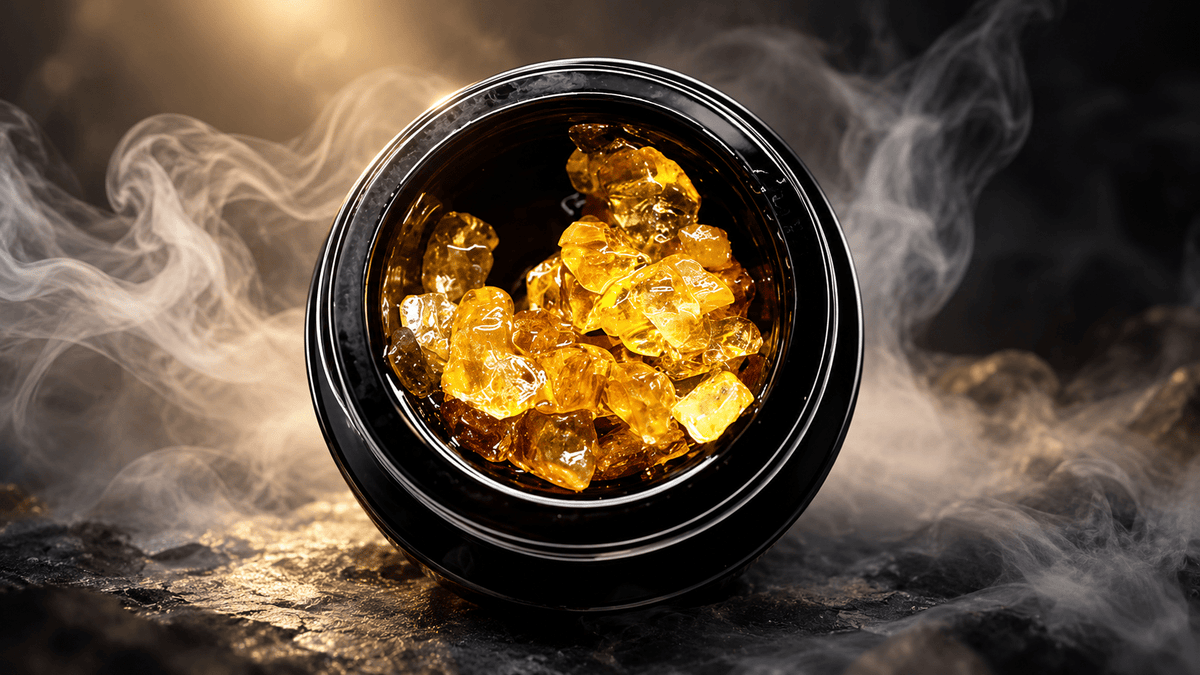
THCA diamonds are concentrates made primarily of crystallized THCA. They can appear clear, translucent, or slightly cloudy. They are often sold at high THCA percentages, but potency varies by product and batch. Check the relevant laboratory report rather than judging potency by appearance.
How THCA Diamonds Are Made
The exact method differs from producer to producer. The broad process typically involves extraction, preparing the extract, crystallization, and—depending on the final product—separating the crystals from the sauce.
1. Extraction
The process begins with cannabis, which may be fresh-frozen or dried. An extraction method separates cannabinoids and other compounds from the plant material. Closed-loop systems are used in some commercial production methods. Fresh-frozen starting material is popular for products intended to preserve more of the plant’s original aromatic profile.
At this stage, the extract contains a mixture of cannabinoids, terpenes, and other compounds—not crystals.
2. Preparing the Extract
Before crystallization, the extract must have a composition that allows THCA to separate from the surrounding liquid and form crystals. The preparation process varies with the extraction method and the desired final product. The goal is to create conditions in which THCA can crystallize while other compounds remain in the liquid phase.
3. Crystallization
Think of rock candy forming in sugar water. Under suitable conditions, THCA molecules leave the surrounding liquid and arrange themselves into an organized crystal structure. Tiny crystals may appear first and grow as more THCA joins them.
Crystal growth depends on the method and conditions, and can take days or weeks. Factors such as temperature, pressure, and the composition of the extract can affect crystal size and appearance, so batches may look different.
4. Separating the Diamonds from the Sauce
As THCA crystals form, the remaining liquid becomes enriched in terpenes and may contain other cannabinoids and dissolved THCA. This liquid is commonly called sauce. Some producers separate the crystals from the sauce, while others package them together or recombine them to create a more aromatic, flavorful concentrate.
5. Finishing and Lab Testing
Before buying, review the certificate of analysis (COA) for the specific batch. Check that the product identification and batch information match, review the cannabinoid results, and look for applicable contaminant testing, including residual solvents when solvents were used in production. A potency result alone does not establish that a product is free of contaminants.
Extraction and crystallization may involve flammable solvents and specialized equipment. These processes should be handled by trained professionals in appropriate facilities—not attempted at home.
Diamonds, Sauce, or Both?
-
Diamonds alone: Primarily crystalline THCA, generally with less aroma and flavor than terpene-rich sauce. Actual characteristics vary by product.
-
Sauce: A terpene-rich liquid that may also contain other cannabinoids and dissolved THCA. It contributes much of the aroma and flavor in diamond-and-sauce products.
-
Diamonds and sauce: Crystals combined with sauce for a more aromatic, flavorful concentrate with a sauce-rich texture.
How to Judge Quality
Looks can be misleading. A large, clear crystal does not tell you everything about what is in the product. Consider the following instead:
-
THCA percentage: Read the reported result rather than judging potency by appearance.
-
Certificate of analysis (COA): Make sure the report matches the product and batch you are considering.
-
Residual solvents: Review the results when relevant to the extraction method.
-
Terpene profile: This can help explain aroma and flavor, particularly in products containing sauce.
A high THCA percentage does not automatically mean a better or safer product. Testing and consistent manufacturing matter, too. Visit our COAs page to review the laboratory results available for our products.
Why We Do It This Way
At CaliGreenGold, we believe great concentrates should deliver more than an impressive number on a lab report. We look at product quality, consistency, and the details that make each concentrate distinctive. We encourage customers to review the available lab results and product information so they can make informed decisions about what they buy.
How to Store THCA Diamonds
Heat, light, and air can degrade concentrates over time. Keep diamonds in a tightly sealed container in a cool, dark place. Avoid leaving them in a hot car or in direct sunlight. Store concentrates securely and out of reach of children and pets.
Know the Law Before You Order
THCA and hemp-derived cannabis products are subject to changing federal and state laws. A federal change to the definition of hemp is scheduled to take effect on December 11, 2026, and may significantly affect which hemp-derived cannabinoid products qualify under federal law. State restrictions may differ from federal law and can change independently. We currently do not ship to Arkansas, Idaho, Minnesota, Oregon, or Rhode Island. Check the laws applicable to your location before placing an order.
Legal requirements can change. Confirm current federal and state rules, product eligibility, and shipping restrictions before publishing or relying on this information.
Frequently Asked Questions
How long does it take to make THCA diamonds?
Depending on the method and conditions, crystallization can take several days to a few weeks. Timing varies by batch.
Why do THCA diamonds look like crystals?
During crystallization, THCA molecules arrange themselves into an organized solid structure, giving the material its crystal-like appearance.
Are THCA diamonds stronger than other concentrates?
They often have a high THCA concentration, but potency varies. Compare the relevant COAs rather than relying on product names or appearance.
What’s the difference between THCA diamonds and sauce?
Diamonds are solid THCA crystals. Sauce is a terpene-rich liquid that may also contain other cannabinoids and dissolved THCA. Some products combine the two.
Will THCA diamonds get you high?
Unheated THCA is generally considered non-intoxicating, but heat converts THCA into THC. Heating methods such as dabbing or vaping can therefore produce intoxicating effects.
Explore THCA Diamonds at CaliGreenGold
Now you know how THCA diamonds form and why laboratory results matter. Browse our THCA diamonds collection, read the product details, and review the applicable COA before you buy.
Follow all applicable laws, keep concentrates out of reach of children and pets, and remember that heating THCA produces intoxicating THC. Never drive or operate machinery after using an intoxicating cannabis product.
Share:
Does THCA Show Up on a Drug Test? The Straight Answer